Search


26 Mar 2026
Search
26 Mar 2026

Please allow ads as they help fund our trusted local news content.
Kindly add us to your ad blocker whitelist.
If you want further access to Ireland's best local journalism, consider contributing and/or subscribing to our free daily Newsletter .
Support our mission and join our community now.
To continue reading this article, you can subscribe for as little as €0.50 per week which will also give you access to all of our premium content and archived articles!
Alternatively, you can pay €0.50 per article, capped at €1 per day.
Thank you for supporting Ireland's best local journalism!


The Stormont Executive has been warned that Northern Ireland’s public services must be transformed or risk collapse.
A report by the independent think tank Pivotal said the opportunity for the first multi-year budget in more than a decade cannot be missed.
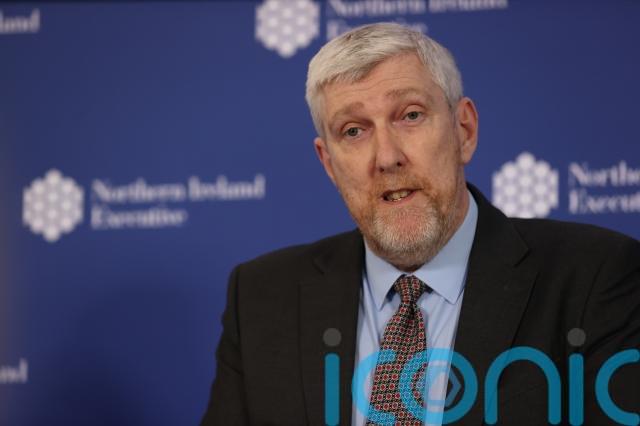
Finance Minister John O’Dowd recently indicated the Executive is working on a draft multi-year budget covering 2026 to 2029 to allow departments the opportunity to plan on a more long-term basis.
The Pivotal report contends that without a proper reconfiguration of how, where and when services are delivered, the public sector cannot properly serve local people.
It said a step change is required and urged ministers from parties making up the Executive to work together and embrace joint ownership of plans for budgeting and transformation.
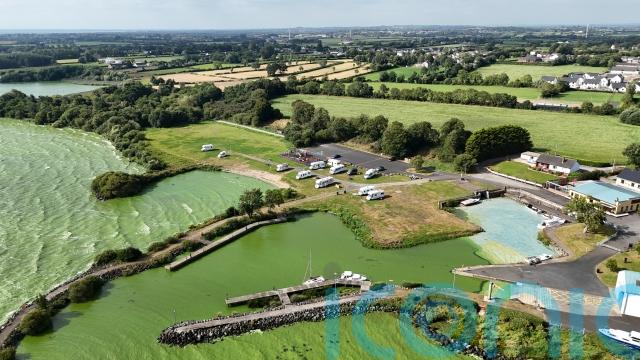
The report describes inadequate public services pointing to long waiting lists in health and for special educational needs (Sen), delays in the justice system and the environmental crisis in Lough Neagh.
Coupled with annual budgetary difficulties and a reliance on extra allocations from London to resolve in-year crises – with the latest being finding the money to deliver pay parity for health workers – the report finds the current situation is “unsustainable”.
It analysed funding to the Executive from the UK Government as consistently at or above the level of relative need suggested by the Northern Ireland Fiscal Council.
The report says the failure to deliver adequate services with this level of overall funding shows that services are not working as they should be, and must transform to avoid becoming increasingly unsustainable and risking collapse.
Following the recent Budget statement, the report found that financial allocations for the next few years will present huge challenges, and despite efforts by departments to reduce spending, a projected overspend of £400 million to £500 million looks likely, although this is down from almost £800m forecast in October.
The report finds that spending totals will barely increase next year, describing an “unprecedented situation” given increasing pay and others costs, all amid continually rising demand for services.
It said the onus will be on departments to use funding as efficiently as they can, but that fundamental questions must be asked about how, when and where services are delivered, or cuts to services will be “unavoidable”.
The analysis also suggests that consideration has to be given to policies such as public sector pay parity with England, as well as Northern Ireland’s relatively low domestic rates, which are around £1,000 per year less than the equivalent council tax in England and Wales, due to lower bills and the absence of water charges.
It finds that departments’ overall spending has increased by 5% to 6% annually over the last eight years, which if repeated this year could lead to an overspend of around £900 million.
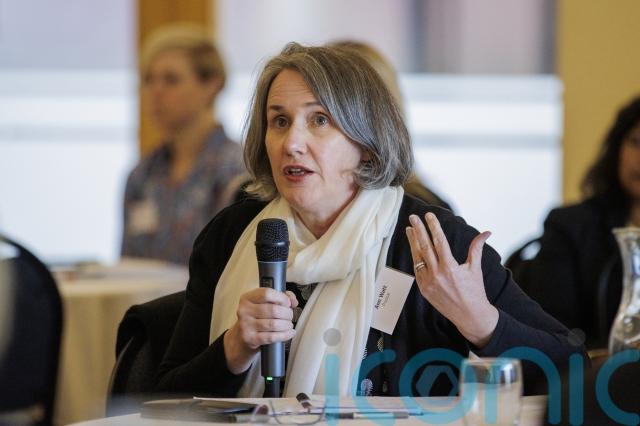
Ann Watt, director of Pivotal, said change is needed, adding: “Public services, as they are currently configured, are not affordable within existing budgets.
“Change is needed, and setting a multi-year budget offers opportunities for important conversations about the best way to do this.
“At the same time, the funding available in the next three years will be far more challenging to manage than even recent years.
“The uplifts are very small, with the Executive looking at a budget increase next year that is little more than flat in cash terms.
“This is unprecedented, particularly considering pay awards and other rising costs.”
Ms Watt underlined that the Executive faces a number of tough choices, and must be brave enough to take these on.
“Pivotal urges the Executive to be transparent about the numbers and honest with the public about the decisions needed.
“Otherwise Northern Ireland is set for a series of crises on a continual basis,” she said.
“Longer-term transformation remains essential and long overdue, although it may not yield the immediate savings needed.
“Many of the necessary, individual changes might not be popular.
“However, if nothing changes, budgets will be overspent, and public services in Northern Ireland will continue to deteriorate and, at the same time, become increasingly unaffordable.”
She described a crucial time for Northern Ireland: “The Executive needs to meet things head on.
“They must embrace this joint challenge, display unity, and accept the fact they are collectively responsible for our public services and budgets. Some very difficult, and likely unpopular, choices will need to be made.
“This can only be achieved if they act together.”

Subscribe or register today to discover more from DonegalLive.ie
Buy the e-paper of the Donegal Democrat, Donegal People's Press, Donegal Post and Inish Times here for instant access to Donegal's premier news titles.
Keep up with the latest news from Donegal with our daily newsletter featuring the most important stories of the day delivered to your inbox every evening at 5pm.

This publication supports the work of the Press Council of Ireland and Office of the Press Ombudsman, and our staff operate within the Code of Practice of the Press Council. You can obtain a copy of the Code, or contact the Council, at www.presscouncil.ie, Lo-call 1800 208 080 or email: info@presscouncil.ie.