

Independent Remuneration Board publishes MLA pay arrangements for next Assembly mandate
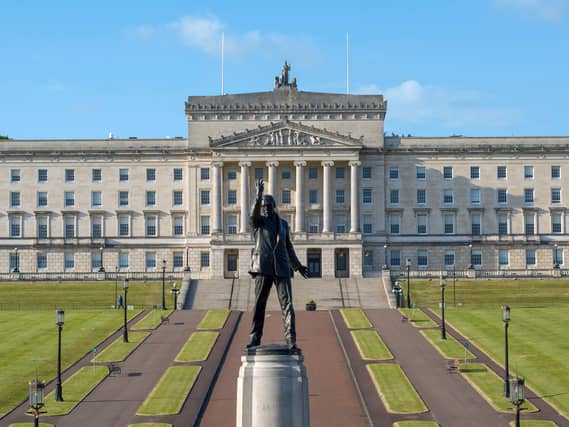

The Independent Remuneration Board (IRB) has published its Determination on MLA pay for the 2027-32 Assembly mandate.
The IRB has confirmed the basic MLA salary will rise from £67,200 to £68,544 from the first sitting day of the new Assembly mandate next year.
After that date, annual adjustments will be determined by earnings growth, but limited by a 2% cap, rather than the 3% the Board had originally set out in its draft proposals.
Proposals on MLA remuneration were outlined by the Board in September when it also sought the views of statutory consultees and the public, as part of a four-week consultation.
Alan Lowry, Chairperson of the Independent Remuneration Board, said: "We published our draft Determination in a clearer format to help people understand the different elements of MLA remuneration.
“We are grateful to more than 270 individuals who took the time to respond to our consultation, providing us with feedback and constructive commentary. We considered what people told us and, as a result, made significant adjustments to our proposals.
“More than nine out of ten respondents told us that the proposed MLA salary was too high and disagreed that it appropriately reflected the complexity and importance of the MLA role.
“In our draft Determination, we had proposed a 3% rise to MLA pay that would take effect at the start of the new mandate in 2027. This would have increased salaries from £67,200 to £69,216, but having considered the public feedback, we have reduced this to 2% and a corresponding increase in salary to £68,544.
“A reduced cap on the annual percentage increase will be put in place after that date, limiting the overall financial impact of the changes. This final Determination is now being presented to the Assembly Commission for publication and implementation.
“The Assembly Members (Salaries) Determination (Northern Ireland) 2027 provides that annual MLA salary increases will be linked to median earnings growth in Northern Ireland, subject to a maximum increase of two per cent in any year. This is a structured and transparent mechanism linking MLA pay to changes in earnings in Northern Ireland.
It means pay remains aligned to wider developments in society, while providing certainty and maintaining public confidence in the process.
“When we made our first Determination on MLA pay in March of this year, we made clear that it was intended as a corrective measure.
“The arrangements for the next mandate, as expected, reflect inflation as well as wider pay trends and therefore involve a more modest financial adjustment.
“MLAs carry out a wide range of important duties, from representing constituents and scrutinising legislation to holding Ministers and Departments to account. It is right that their remuneration recognises the complexity and importance of those responsibilities, while ensuring that financial considerations do not discourage people from seeking elected office.”
The 2027 Determination also includes details of additional office-holder payments5 which are separate to the basic MLA salary. These recognise the responsibilities and duties associated with a number of Assembly roles. While the basic MLA salary will increase during the mandate in line with earnings growth, these office-holder payments will remain unchanged across the 2027-32 mandate.
The Chair added: “It is important to underline that under this Determination, significant financial sanctions will apply if an Executive isn’t formed following the next and subsequent elections, or if at any time the offices of the First Minister and deputy First Minister become vacant. A reduction of 10% would be applied to MLA salaries after six weeks and again at weeks 12 and 18 if a government had not been formed within the 24-week statutory period provided for under the Northern Ireland Act 1998.”