



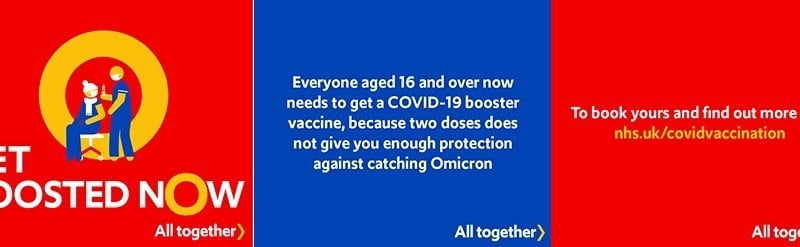
Latest COVID-19 variant Omicron is highly infectious and still spreading. It is more important than ever we all get vaccinated to protect ourselves, our family and friends. Boosters increase our protection against the virus up to more than 88 per cent.
What protection does a booster jab give?
Dr Emeka Okorocha, who works in A&E in London and South East, said: “As a doctor, I have seen first-hand the effect COVID-19 can have on people. I want to remind everyone you can still get seriously ill with the virus, so it is so important to get the jab to keep ourselves, your friends and loved ones safe. COVID-19 is highly infectious. The vaccine remains our
Photo - ‘Absolutely essential': Dr Emeka Orkorocha
When can you have a booster jab?
Yorkshire-based Professor Mahendra G Patel OBE, Pharmacy and Inclusion and Diversity Lead, said: “You can get a COVID-19 booster three months after your second dose and 28 days after positive COVID test. It’s also not too late to get a first or second dose. Getting the vaccine has never been easier. Everybody aged 12 and over have now been offered two doses of a COVID-19 vaccine. If you are 12 years old or above on the day the vaccinations are taking place in school, you will be able to access a vaccine.
Photo: Professor Mahendra G Patel
Is it safe to have a booster jab if I’m pregnant?
Photo - 'Very Confident': Dr Jenny Jardine
Does a booster jab carry side effects?
Dr Okorocha said: “The COVID-19 vaccine is quick, easy and free. Don’t worry about the side effects. Like all medicines, the COVID-19 vaccines may cause some side effects, but most of these are mild and short-term, lasting no longer than a week, and not everyone gets them. Also, if you weren’t able to get your booster dose because you had COVID-19, remember to book your jab 28 days after you no longer have the virus.”
1.
Your booster jab is vital
2.
*Sponsored Content