

Fuel protesters bring disruption to roads in Northern Ireland
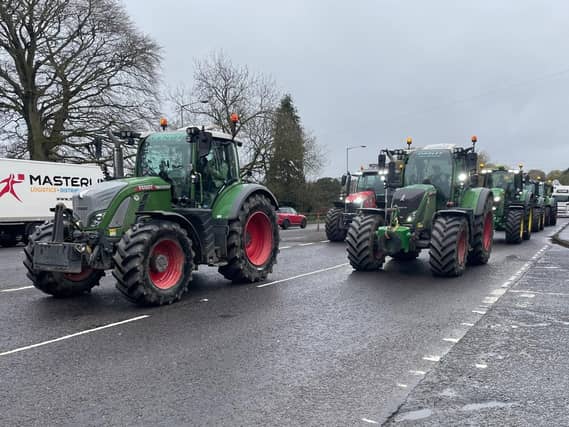

Fuel protesters have brought disruption to a number of major roads in Northern Ireland.
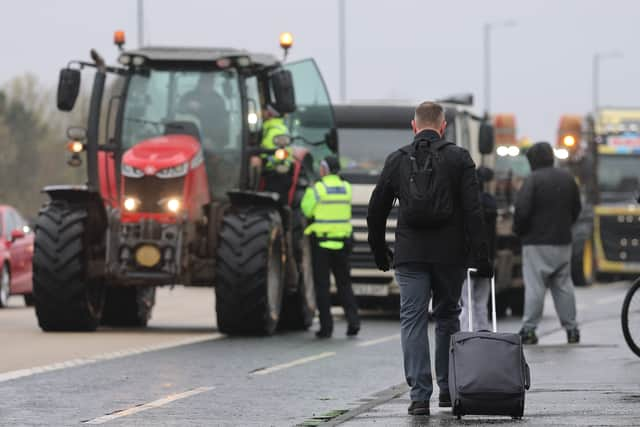
Slow-moving convoys of tractors and other vehicles formed in Belfast and several other areas as part of protests against rising energy bills.
While the protests led to significant traffic jams in some areas, the disruption was not on the scale of recent fuel protests in the Republic of Ireland, where motorways were brought to standstills and fuel depots blockaded.
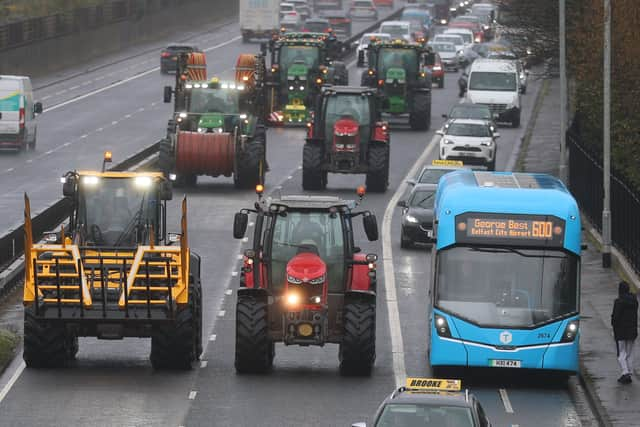
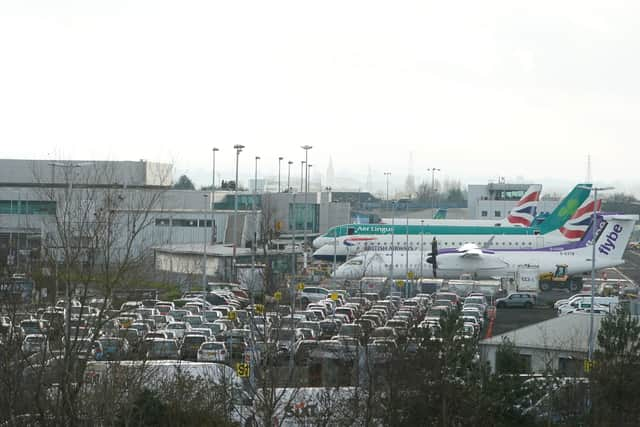
It then travelled down the bypass in the direction of Bangor towards Belfast City Airport, with some cars undercutting them on the cycle route to get past on the inside.
A number of people were seen walking at the side of the road in an effort to get to the airport.
Later in the day, scores of tractors, trucks and lorries took part in a convoy along the A1.
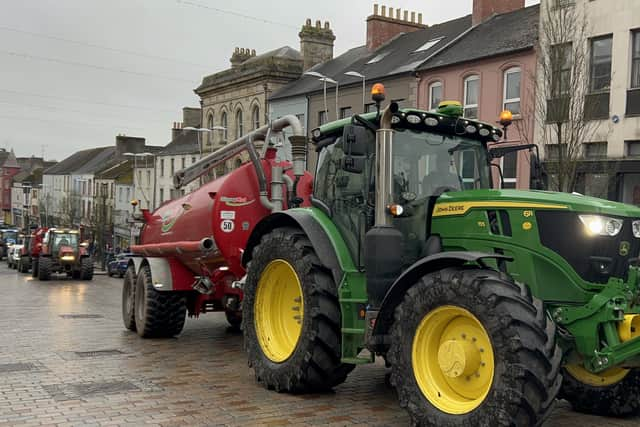
In Omagh, in Co Tyrone, around 15 tractors and other vehicles moved through the centre of the town.
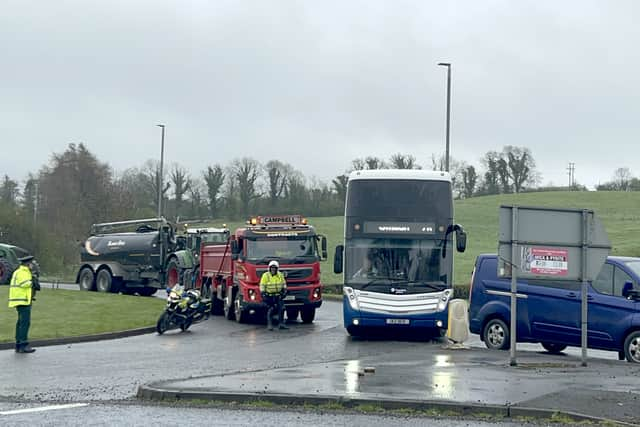
Dozens of vehicles also took part in a convoy at the Ballygawley roundabout.
There were also reports of a smaller protest at Nutts Corner in Antrim.
The Police Service of Northern Ireland (PSNI) attended the protests but were a low-key presence.
Mr Nesbitt said: “I would be very concerned if roads were to be blocked, so my plea is do not do that.
“Just engage in legitimate legal protest.
“Today, as is the case every day, there will be well over 100,000 engagements or interactions between the HSC and the public.
“Thousands and thousands of them depend on the workforce getting from A to B, or for patients or service users getting from B to A in a timely manner.
“Ultimately, the logic to that is disruption threatens life.
Ballygowan farmer Sam Hanna was joined by his border collie Roy in the cab of one of the lead tractors in the protest on the Sydenham bypass in Belfast, and said the protest “isn’t about farmers”.
“This is extortionate what we’re getting charged in taxes throughout life – not just fuel, petrol, everything, we’re being extorted,” he said.
“Technically, it’s not us that’s blocking the hard shoulder. We have kept the hard shoulder open.
“The cars are underpassing the whole way, the police are sitting watching them underpass.
“It’s the cars that are blocking the hard shoulder.
He described the rising price of fuel as the “final nail in the coffin”.
“The south have got 505 million out of it, to the farmers and all,” he said.
“It’s probably a few pounds per litre but it’s still money getting back, and it’s only figures on a page for them boys, they’re not living in the real world like us and trying to scrimp and scrape.
“Nobody has savings nowadays. Any money you get it’s to keep you going and keep things ticking over and just joining the dots.”
Mr Hanna said: “The UK Government have to act and realistically what we’re doing here, they don’t care what we’re doing. They don’t give a damn about us here and that will show in their response to this.”
They asked Westminster to look at reducing fuel duty, targeted support for hauliers, farmers and small and medium enterprises, and a comprehensive cost-of-living support package.
Ulster Unionist leader Jon Burrows said there should be an emergency meeting of the Stormont powersharing Executive to discuss rising fuel prices.
He said: “When people block roads for whatever purpose, it has a lot of unintended consequences.
“Right now, there will be emergency services who will struggle to get to calls, there will be key workers who will not be able to get to work.”
Mr Burrows said: “I understand the concern about the cost of fuel, about the cost-of-living crisis, but we need to have calm leadership and cool heads.
“This Executive needs to stand up and deliver in terms of convening an emergency meeting to decide what we are going to do about the cost-of-living crisis.”
The Belfast disruption comes after similar demonstrations south of the border disrupted fuel supplies, port operations and traffic in city centres and on motorways for a week.
Although blockades at Ireland’s only oil refinery and elsewhere were cleared at the weekend, smaller protests continued on motorways around Dublin on Monday – and a protest was due to be held at Leinster House on Tuesday, to coincide with a confidence vote in the Government.
The cost of petrol, diesel and marked gas oil (“green diesel”) has soared since the war in Iran.
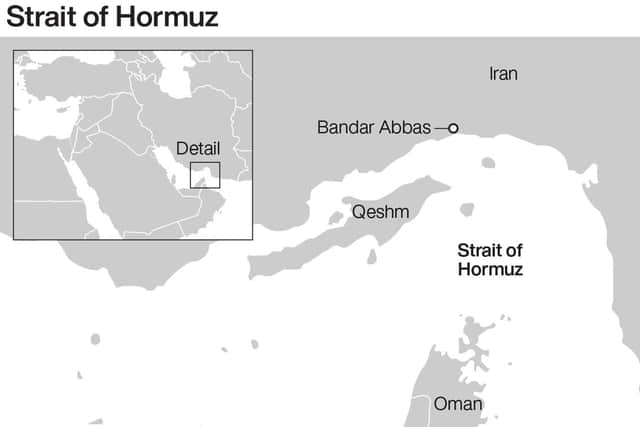
The US and Israel began bombing Iran on February 28, after which the Iranians began an effective blockade of vital trading route the Strait of Hormuz, disrupting energy and fuel supplies.
A PSNI spokesperson said: “Police are advising of delays leaving Belfast country-bound on the Sydenham bypass due to slow-moving traffic.
“Road users are advised to avoid if possible and to leave extra time for their journey.”